
By Dr Ragad Alabady | Cybersecurity Consultant | Forti5 Technologies
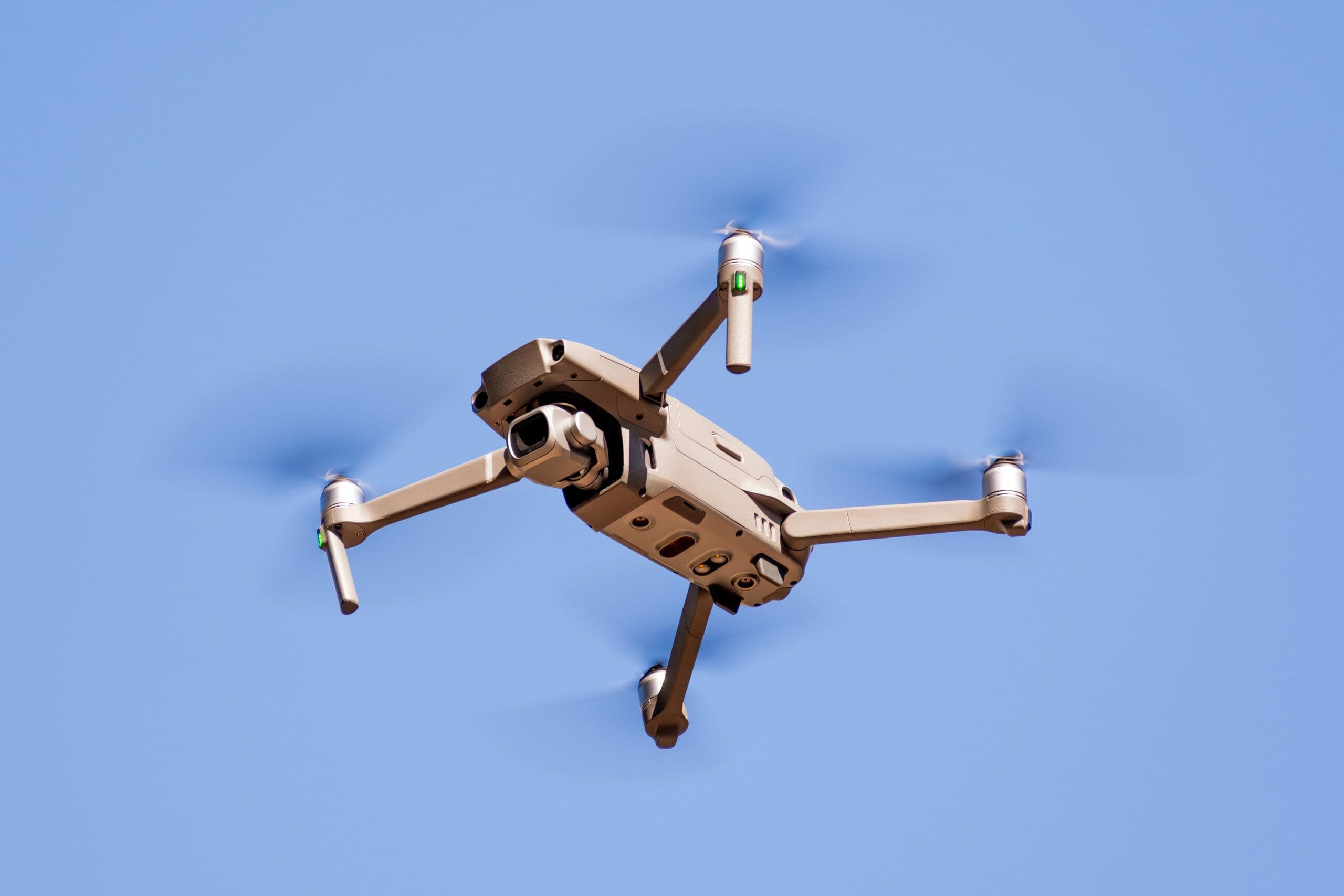
Unmanned Aerial Vehicles (UAVs), commonly known as drones, are no longer limited to military use or aerial photography. They're now integral to critical sectors such as agriculture, infrastructure monitoring, emergency response, and logistics. However, as UAV applications expand, so too do the cyber threats targeting their systems — particularly their sensors.
Why UAV Sensors Matter
Sensors are the eyes and ears of a UAV. They collect and transmit vital data, enabling autonomous flight, obstacle avoidance, environmental analysis and real-time decision-making. These include GPS for navigation, IMU (Inertial Measurement Unit) for motion tracking, Cameras and LiDAR for situational awareness, and Barometers and gyroscopes for altitude and orientation control. A compromise in any of these components can cause the UAV to crash or leak sensitive information with potentially disastrous consequences.
The Hidden Threat: Cyber Attacks on Sensors
Unlike traditional cyber threats aimed at networks or software systems, attacks on UAV sensors are more subtle and often harder to detect. Research focused on mitigating stealth cyber attacks targeting UAV sensors — attacks that inject false data or distort readings without triggering alarms. For instance, GPS spoofing can trick a drone into changing its route. Sensor data manipulation can cause a UAV to misinterpret its surroundings, threatening both its mission and public safety.
Mitigate Stealth Cyber Attacks and Simulation
Simulated environments were developed to test UAV resilience against stealth sensor attacks. By modelling various threat vectors, the research demonstrated the ease with which sensor data can be compromised, the challenges in detecting such breaches in real time, and the importance of multi-sensor validation and redundancy to maintain operational integrity.
To address these threats, Multiple Model Adaptive Control (MMAC) techniques based on bank of Kalman filter predictions were designed. The solution actively mitigated the impact of stealth attacks by selecting the most appropriate controller from a bank of controllers, enabling the UAV to restore its normal behaviour after its sensors had been compromised.
Moving Forward: Industry-Ready Solutions
At Forti5 Technologies, we believe that securing UAV sensors must be a priority in any UAV deployment strategy. We help clients assess UAV vulnerabilities through simulation and penetration testing, integrate sensor-level encryption and authentication protocols, and implement anomaly detection systems tailored for resource-constrained environments.